
table of contents

You have new problems with loss prevention in retail stores because theft is getting worse. In 2024, there were a lot more violent shoplifting cases. Good loss prevention plans help you keep your money safe. New loss prevention tools, like AI-powered ones such as iDetector, help you stop shrinkage and protect your store.
Key Takeaways
-
Use AI-powered tools like iDetector to stop theft at self-checkouts. These tools help stores save a lot of money. They also help stores spend less on workers.
-
Use real-time alerts and computer vision technology to catch theft right away. This way, stores can stop more than half of their losses.
-
Teach your staff about loss prevention strategies. When your team knows what to do, they can see suspicious actions. This makes your store safer.
AI-Powered Retail Loss Prevention Tools
Winmore Digital iDetector for Self-Checkout
Self-checkout shrink is a big problem for stores. Winmore Digital makes smart AI tools for retail. The iDetector is a helpful tool to stop losses. You can set it up fast and use it with your store’s systems. The iDetector has binocular camera and uses AI to find mistakes and theft. It checks if the barcode matches the item. If something is wrong, it sends alerts right away. You also hear voice prompts to help staff or customers fix problems.
A retail chain with 30 stores used iDetector and saw great results. One store saved $78,800 by using it. All stores together saved more than $2.3 million in a year. The system also lowered labor costs because fewer workers watched self-checkout. You can see risky items and fraud patterns on the dashboard. This helps you make your loss prevention plan better.
Tip: iDetector is easy to set up and very accurate. It is a great pick for busy stores.
Here are some main features and benefits of iDetector solution:
-
AI tools spot bad actions right away so you can act fast.
-
Computer vision uses cameras to find shoplifting and safety problems.
-
Real-time alerts help you stop losses before they get worse.
-
AI, sensors, and real-time data make stores work better and keep customers happy.
|
Feature/Benefit |
Description |
|---|---|
|
AI surveillance and computer vision |
Uses cameras to find shoplifting and dangers right away. |
|
Real-time alerting and predictive analytics |
Sends alerts and gives data to help stop losses. |
|
Biometrics and facial recognition |
Can help keep stores safe by finding repeat offenders. |
|
Voice analytics |
Listens to talk to spot aggressive behavior. |
|
Physical AI and security |
Uses security robots for extra safety. |

Electronic Article Surveillance (EAS) Systems
Electronic Article Surveillance (EAS) systems help stop shoplifting in stores. These systems use special tags and sensors to keep products safe.
Tagging High-Value Items
You can put EAS tags on expensive items to stop theft. When you tag things, it is harder for people to steal them. Staff can help customers more because the system watches for theft. Here are some common EAS systems you might see in stores:
|
Type |
Description |
|---|---|
|
Radio Frequency (RF) |
Used in many stores; cheap and simple to set up. |
|
Acousto-Magnetic (AM) |
Good for stores with lots of metal; finds tags from far away and has fewer false alarms. |
|
Electro-Magnetic (EM) |
Best for expensive items; very sensitive and exact, often used in special stores. |
Tagging expensive items has clear benefits:
|
Evidence Type |
Description |
|---|---|
|
Tagging helps stores lose fewer expensive products. |
|
|
Reduced shrinkage |
Stores see less shrinkage with better protection. |
|
Staff efficiency |
Staff spend more time helping customers, not just watching for theft. |
Note: When shoplifters see EAS tags, they often stay away. The tags warn them not to steal.
Preventing Shoplifting
EAS systems help stop shoplifting before it starts. Studies show these systems lower shrinkage and help stores make more money. New EAS tools use AI, RFID, and IoT to find theft fast and correctly. AI-powered systems can tell honest shoppers from people who might steal. This makes your loss prevention much stronger. RF EAS systems now use IoT for real-time checks, so you can catch theft as it happens. EAS tags are important for keeping your store safe for everyone.
RFID Solutions for Inventory Management
Item-Level Tracking
You can use RFID solutions to track every item in your store. RFID tags let you scan thousands of products in seconds. This makes your inventory checks much faster and more accurate. You can count over 60,000 items in just two hours. Barcode systems take days to do the same job. RFID tools help you know exactly what you have in stock. You get real-time updates, so you always see what is on your shelves. Stores like Walmart, Zara, Macy’s, and H&M use RFID to keep their inventory accurate. You can reach accuracy rates of 95–99 percent. This means you lose fewer products and spend less time searching for missing items.
-
RFID reads over 1,300 items per second.
-
You get real-time updates to stop inventory loss.
-
Stores improve productivity by up to 45 percent.
-
You can fulfill 30 percent more online orders from your store.
Shrinkage Reduction
RFID solutions help you fight shrink in your retail store. You get alerts when someone tries to move items without permission. This helps you stop theft before it happens. Many retailers report shrink rates dropping by 50 percent or more after using RFID. You can see which items are at risk and act fast to protect them.
|
Shrinkage Rate Reduction |
Description |
|---|---|
|
50% or greater |
You can cut shrink in half or more with RFID systems. |
|
Immediate alerts |
RFID gives you quick warnings about unauthorized item movement. |
You can use RFID tools to keep your store safe and your products secure. Real-time tracking helps you reduce inventory loss and improve your bottom line.
Access Control Tools for Retail Stores
Entry Point Security
Every store needs good security at each door. Access control tools help you pick who can come in and when. You can use different ways to keep your store safe. Keypad PIN entry is good for places with few people. Proximity or smart cards let staff enter fast without touching anything. Mobile credentials let you unlock doors without a key, which is great for modern stores. Biometric scanners use fingerprints or faces for extra safety in special areas.
Here is a table that shows common access control methods and when to use them:
|
Access Control Method |
Best Use Case |
|---|---|
|
Keypad PIN entry |
Low-traffic zones or shared access points |
|
Proximity or smart cards |
Teams of any size for quick, contactless entry |
|
Mobile credentials |
Modern workplaces valuing keyless convenience |
|
Biometric scanners |
High-sensitivity areas requiring unique verification |
Tip: You can use more than one method to fit your store and make it safer.
Staff and Visitor Management
Stores need to keep track of staff and visitors to stay safe. Access control systems help you see who comes in and goes out. You get a list of everyone inside right away if there is an emergency. Visitor check-in tracking shows where guests entered and who let them in. These tools help with emergency plans and stop mistakes from using paper logs.
Here is a table that shows how access control systems help with staff and visitor management:
|
Benefit |
Description |
|---|---|
|
Real-time evacuation list |
Make a list of everyone inside fast during emergencies. |
|
Visitor check-in tracking |
See where visitors checked in and who invited them. |
|
Emergency preparedness |
Organized data helps with emergency plans and stops errors from paper logs. |
Using these tools makes your store safer and more organized. You are ready for anything that happens.
POS Analytics for Retail Loss Prevention
Fraud Detection
You can use POS analytics tools to spot fraud in your retail store. These tools use machine learning to find patterns that look suspicious. The system learns from past transactions and adapts to new tricks. If someone tries to make a strange purchase, like buying something in another country right after shopping locally, the system flags it. You get alerts for odd payment behavior, so you can act fast. This helps you stop theft and protect your business.
Here are some ways POS analytics help with fraud detection:
-
Machine learning models spot suspicious actions and keep learning.
-
The system flags transactions that do not match normal spending.
-
You get real-time alerts for payment issues or threats.
Transaction Monitoring
POS analytics give you strong monitoring for retail loss prevention. You can track every sale and see if something looks wrong. This helps you catch internal theft and other problems early. The system checks for unusual patterns and gives each transaction a risk score. You can set rules for different types of sales. If a sale breaks the rules, you get an alert.
|
Feature/Benefit |
Description |
|---|---|
|
Detection of Anomalies |
Real-time checks find odd patterns that may mean fraud. |
|
Customizable Risk Scoring Models |
The system scores each sale to find high-risk transactions. |
|
Dynamic Rules and Thresholds |
You set rules, and the system alerts you if something is off. |
|
Insights into Emerging Trends |
The system finds new fraud tricks, so you can update your plan. |
|
Enhanced Customer Experience |
Fast fraud checks keep honest shoppers happy and safe. |
You can use these tools to lower theft and stop internal theft. POS analytics make your retail loss prevention plan much stronger.
Smart Shelving and Sensor Tools
Shelf-Level Theft Alerts
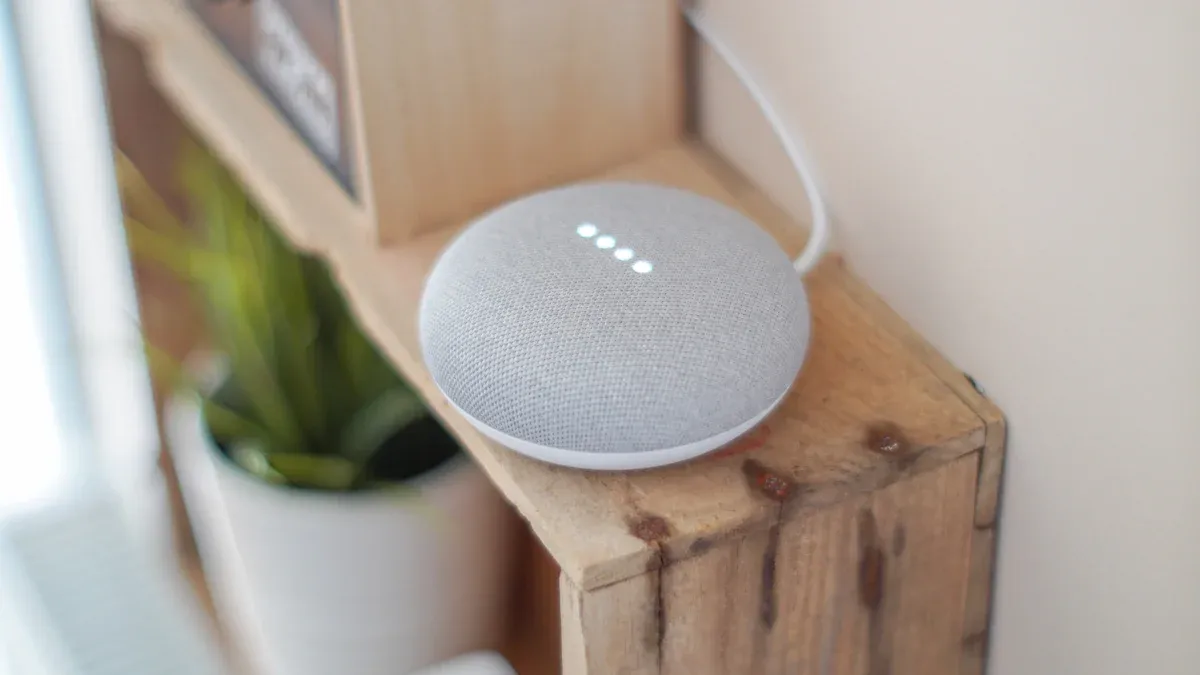
Smart shelving lets you watch your shelves all the time. These shelves have sensors that know when something is taken. If something strange happens, you get an alert right away. This helps you stop theft before it gets worse. Video analytics work with the shelves to find odd actions. Cameras record what happens, so you have proof if you need it. The system keeps videos in an organized library. You can find the right video fast and check what happened.
-
Watching shelves in real time keeps everyone safe.
-
Video analytics help you find problems before you lose things.
-
Recorded videos give you proof for any investigation.
-
Organized storage lets you find the right video quickly.
Integration with Store Systems
Smart shelving works with your other store systems. You can see what is on the shelves and what is missing. This helps you keep track of your inventory. Many stores use automation to save time and money. As more people shop online, you need better ways to track products. You also need to see your supply chain clearly. Smart shelving gives you the information you need. These tools help make your store safer and work better.
-
More online shopping means you need better inventory tracking.
-
Seeing your supply chain clearly helps you avoid losses.
Tip: Smart shelving and sensors help you stop theft and keep your store working well.
Physical Deterrents in Loss Prevention Strategies
Security Mirrors and Locked Displays
Physical deterrents help stop theft in stores. Security mirrors let you see more of the store. This makes it harder for people to hide. Locked displays keep expensive items safe. They add extra protection for your products. Many stores use these tools to lower shrink and improve safety.
But you should know how these tools affect your store. Recent studies show some problems:
-
46% of retail workers think locked cabinets and checkout gates are more annoying than helpful.
-
60% of adults in the U.S. say these tools make shopping harder instead of stopping crime.
-
74% of shoppers are less likely to shop in stores with tough theft-prevention.
-
Workers in these stores see more violence, with 54% of threats coming from upset customers.
You need to find a good balance between safety and customer comfort. Too many barriers can make shoppers feel unwelcome. They may not always stop shrink as much as you want.
Strategic Product Placement
Smart product placement can help lower shrink and make stores safer. When you put items where everyone can see them, stealing is harder. Staff can also watch the store more easily.
Visibility is important: clear sightlines, smart product placement, and marked loading zones help stop theft and keep the store friendly.
You can keep your store open and welcoming while staying safe. This way, you fight shrink and keep customers coming back.
Staff Training and Awareness Programs
Building a Security Culture
You help build a strong security culture in your store. Training your team helps everyone stay alert. This makes it easier to stop shoplifting and theft. Motivate your front-end workers and share key tips, especially when the store is busy. This keeps staff focused on safety. You can send loss prevention messages to your teams. When everyone knows the risks, the store is safer for customers and staff.
A good security culture means your team can spot theft fast. Staff should watch for suspicious actions and report problems. Trust and teamwork make loss prevention work better in stores.
Best Practices for Retail Loss Prevention
Smart training helps you improve loss prevention. The table below lists top programs for 2025:
|
Training Strategy |
Description |
|---|---|
|
Situational Awareness Training |
Helps employees spot and respond to suspicious behavior. |
|
Active Floor Presence |
Uniformed and undercover officers help stop theft and keep staff responsible. |
|
Bag Checks and Receipt Confirmation |
Checking bags and receipts helps stop theft at checkout. |
Teach your staff these best practices:
-
Stay alert and watch for theft.
-
Use bag checks and confirm receipts for extra safety.
-
Keep staff on the sales floor to help protect the store.
Following these strategies helps your store lower theft and keep everyone safe.
Customer Service Strategies for Retail Theft Prevention
Greeters and Floor Staff
Greeters and floor staff help stop theft in stores. When customers enter, a friendly greeting makes them feel welcome. Staff show they are watching what happens in the store. Greeters stand by the door and look for shoplifting signs. You can teach your team to notice suspicious actions. For example, someone might avoid eye contact or carry empty bags. Floor staff walk around and help customers find things. Their presence makes stealing harder and keeps the store safe.
Tip: Saying “Hello” at the door can help stop theft.
Deterring Theft through Engagement
Talking to customers helps lower shoplifting in stores. When staff talk to shoppers, it shows they care and pay attention. People who want to steal often avoid stores where staff interact with them. You can ask questions or offer advice about products. Staff can check if someone needs help. This builds trust and makes the store safer. Friendly and alert staff help everyone feel safe. Honest customers feel valued and want to come back.
|
Customer Service Action |
Security Benefit |
|---|---|
|
Greeting at entrance |
Helps stop shoplifting |
|
Offering assistance |
Makes theft less likely |
|
Active floor presence |
Keeps the store secure |
You need the right mix of loss prevention in retail stores to fight shrink and improve retail theft prevention. Use this checklist for retail success:
-
Choose tools that fit your store size.
-
Focus on retail theft prevention at self-checkout.
-
Track shrink with data.
-
Train staff for loss prevention in retail stores.
Talk to a retail expert to boost shrink control and retail theft prevention.