
overview
Your Content Goes Here
client
Your Content Goes Here
location
Your Content Goes Here
category
Technical Use Case: Deploying AI-Powered Weighing at Scale in an Australian Grocery Chain
Audience
This use case is written for CTOs, IT Directors, and Retail Technology Leaders evaluating AI-powered weighing solutions for grocery and fresh food retail environments.
Customer Profile
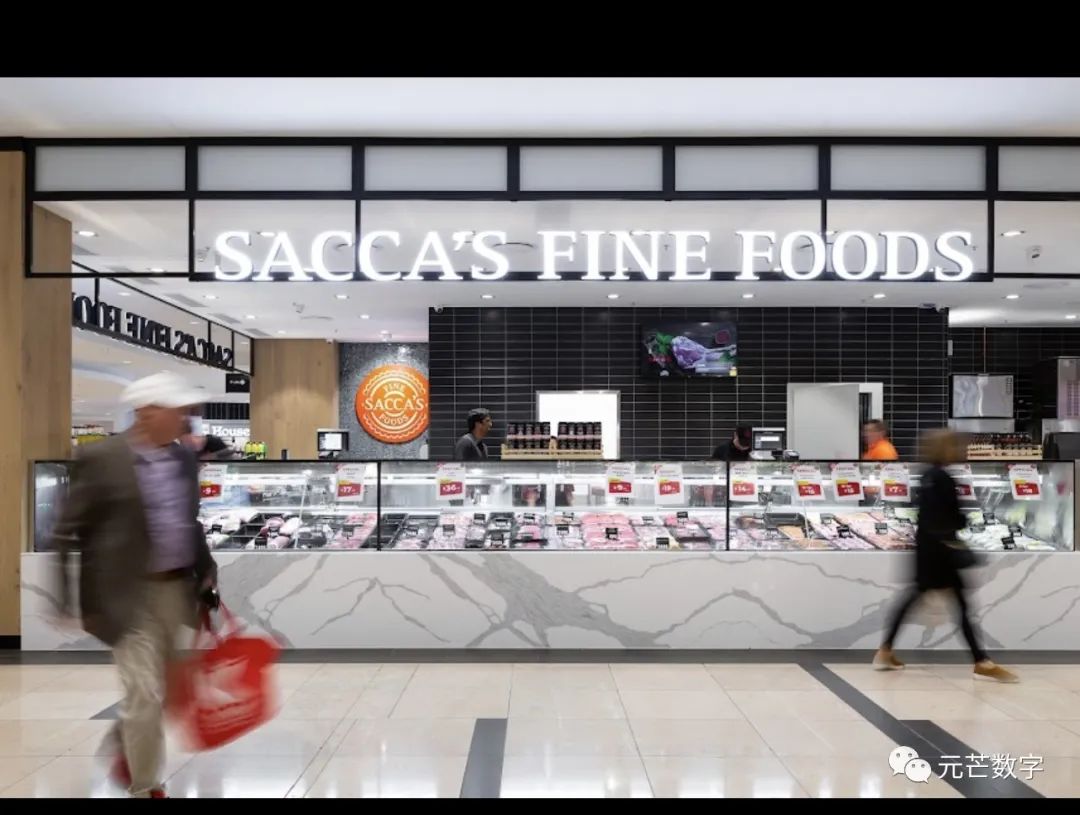
🔗SACCA’S FINE FOODS
The customer is a large-format grocery and fresh food retail chain in Australia, operating high-traffic flagship stores located primarily in shopping centers.
From a technology perspective, the retailer manages:
- A large and frequently updated fresh SKU catalog
- Mixed checkout environments (staffed lanes and self-checkout)
- Existing POS and scale infrastructure that could not be fully replaced
- High availability requirements during peak shopping hours
The IT team’s core objective was to modernize fresh-item checkout without introducing architectural complexity or operational risk.
Technical Challenges at Checkout
1. SKU Complexity in Fresh Food Recognition
Fresh produce categories contain dozens of visually similar SKUs (e.g., apples with different varieties, origins, and pricing).
Traditional barcode-based or manual lookup workflows introduce:
- High operator dependency
- Increased error rates under peak load
- Longer transaction times per item
2. Integration Constraints
The retailer required a solution that:
- Works with existing POS and self-checkout software
- Avoids deep modification of transaction logic
- Can be rolled out incrementally store by store
3. Deployment and Maintenance Risk
From an IT governance perspective, key concerns included:
- Downtime during installation
- Hardware lock-in
- Long cloud training cycles for new SKUs
- Ongoing maintenance overhead across stores
Solution Architecture: Winmore Digital AI-Powered Weighing
The retailer selected Winmore Digital’s AI-powered weighing system based on its edge-first, SDK-driven architecture, designed for real-world grocery operations.
Core Architecture Highlights
- Edge-based visual recognition
- Real-time inference runs locally at the checkout
- No dependency on constant cloud connectivity
- SDK-level integration
- Integrates directly with existing POS / self-checkout workflows
- Minimal changes to upstream transaction systems
- Lightweight hardware requirements
- Compatible with standard checkout hardware configurations
- No need for full system replacement
- Category-agnostic recognition
- Supports fruits, vegetables, frozen goods, bakery items, seafood, and prepared foods
Deployment Model
From deployment to production, the system followed a low-disruption rollout model:
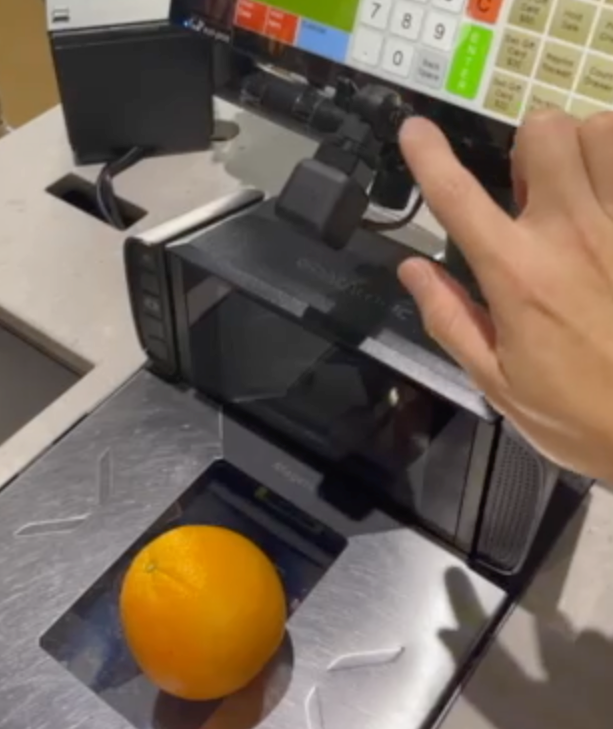
1. Initial environment validation
- OS and hardware compatibility check
- Camera positioning and scale calibration
2. Local SKU learning and optimization
- New items added without waiting for cloud retraining cycles
- Supports rapid SKU updates common in fresh food retail
3. Incremental store rollout
- Pilot deployment followed by phased expansion
- No interruption to daily store operations
This approach allowed the IT team to maintain full control over rollout pace and risk exposure.
Operational Outcomes (IT Perspective)
Post-deployment, the IT and operations teams observed:
- High recognition accuracy in live store conditions
- Reduced transaction time for fresh-item checkout
- Lower staff intervention rates at checkout lanes
- Stable system performance during peak hours
Most importantly, the solution achieved these results without increasing system complexity or operational overhead for the IT team.
Why This Matters for Retail IT Leaders
This use case demonstrates several key principles relevant to enterprise retail IT decision-makers:
- AI solutions deliver the most value when applied to specific operational bottlenecks
- Edge-first architectures reduce latency, cloud dependency, and compliance risk
- SDK-based integration enables faster deployment and easier long-term maintenance
- Checkout modernization does not require full system replacement to be effective
For retailers managing fresh food complexity at scale, AI-powered weighing offers a practical, controllable, and scalable upgrade path.
Conclusion
By focusing on checkout accuracy, system compatibility, and deployment simplicity, this Australian grocery retailer successfully introduced AI-powered weighing into a live production environment.
Winmore Digital’s solution provided the IT team with a future-ready foundation for intelligent checkout—without compromising stability, governance, or scalability.
To discuss technical integration or deployment architecture, contact Winmore Digital’s solution engineering team.
 Learn more about our intelligent weighing system:
https://www.wmdigit.ai/retail-scale-ai-recognition-weighing-solution/
Or contact our solution engineering team to discuss technical integration: