
table of contents
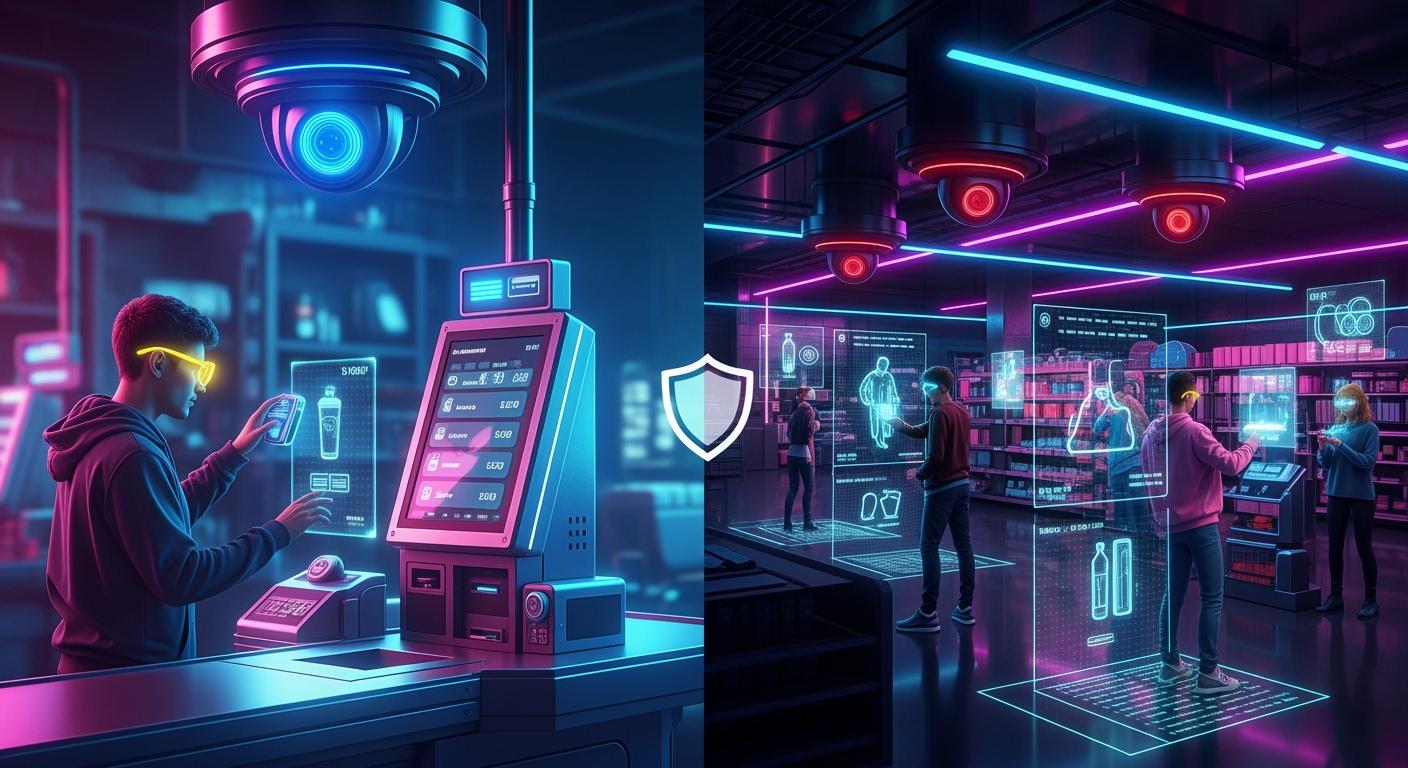
I see computer vision retail security transforming how stores prevent loss. I trust self-checkout AI like Winmore Digital’s iDetector for high accuracy and quick deployment. Full-store AI often needs complex setups and heavy investment. Large supermarkets benefit from targeted self-checkout solutions, while bigger chains may explore global systems.
Full-Store AI and Computer Vision Retail Security
Storewide Coverage
When I look at full-store AI solutions, I see a system that covers every corner of the retail space. These systems use a network of cameras to monitor all customer activity. This approach gives retailers a comprehensive view of what happens on the sales floor. I notice that computer vision retail security at this scale can track movement, detect suspicious behavior, and analyze patterns across the entire store. This level of coverage helps reduce blind spots and supports loss prevention efforts in high-traffic areas.
Analytics and Complexity
I find that full-store AI requires advanced analytics to process the massive amount of video data it collects. The system must analyze footage from dozens or even hundreds of cameras in real time. This need for high computational power increases the complexity of deployment. The algorithms must handle diverse scenarios, such as crowded aisles and varying lighting conditions. In my experience, the accuracy of these systems can fluctuate, especially when compared to targeted solutions like self-checkout AI. The setup and ongoing management demand specialized expertise.
Cost and Privacy
Implementing full-store computer vision retail security involves significant investment. I often see costs start at $30,000 for basic software, with medium complexity solutions beginning at $55,000. Advanced systems can exceed $900,000. The table below outlines the main cost components:
|
Cost Component |
Estimated Cost Range |
|---|---|
|
Basic AI vision software |
Starts at $30,000 |
|
Medium complexity solutions |
Starts at $55,000 |
|
Advanced systems |
Can exceed $900,000 |
|
Data collection and training |
Varies significantly |
|
Implementation costs |
High due to expertise needed |
|
Ongoing maintenance |
Includes cloud hosting fees |
I also consider privacy concerns. Full-store AI records large volumes of video, which raises questions about data protection and customer consent. Retailers must address these issues to maintain trust and comply with regulations.
Self-Checkout AI with iDetector
Targeted Loss Prevention
I rely on iDetector for precise loss prevention at self-checkout stations. The system uses cameras and advanced AI to spot scanning errors and theft attempts in real time. I see this targeted approach as a major advantage over broad surveillance. In my experience, iDetector’s edge-based digital human solution and offline large language models set it apart from other options. The table below highlights these unique features:
Edge-based digital human solutionttrantran
Powered by offline large language models
Enhances customer engagement during checkout.
Utilizes advanced AI for processing without internet
Customer Experience
I have seen customers benefit from a smoother checkout process. iDetector allows them to self-correct mistakes, which reduces frustration. Staff can focus on other tasks, leading to a more positive environment. Employees report less stress and greater job satisfaction.
Operational Simplicity
I appreciate how easy it is to integrate iDetector into existing systems. The setup takes about 10 minutes and requires only USB-connected cameras. This simplicity means stores can quickly adopt computer vision retail security without major changes to infrastructure.
Direct Comparison and Best Fit
Effectiveness and ROI
I always look for solutions that deliver measurable results. When I compare self-checkout AI with full-store AI, I see clear differences in effectiveness and return on investment. Self-checkout AI, like iDetector, focuses on the most vulnerable point—where customers scan and pay for items. I have seen this targeted approach reduce shrinkage by over 90% in real-world deployments. For example, one supermarket chain saved $78,800 in a single store and over $2.3 million across 30 stores after installing iDetector. These numbers show a strong ROI, especially when considering the low hardware and installation costs.
Full-store AI covers the entire sales floor. This broad coverage can help identify suspicious behavior anywhere in the store. However, I notice that the complexity of analyzing video from dozens of cameras can lower accuracy. The initial investment is much higher, and the ongoing costs for maintenance and data storage add up quickly. I find that many retailers see faster payback and more predictable results with self-checkout AI, especially in environments where most loss happens at the checkout.
Tip: If you want quick results and a clear ROI, focus on the checkout area with targeted AI solutions.
Scalability and Flexibility
I value solutions that grow with my business. Both self-checkout AI and full-store AI offer scalability, but I find self-checkout AI much easier to deploy across different store formats. I can install iDetector in a small convenience store or a large supermarket with minimal changes. The system adapts quickly to new products and checkout layouts. I do not need to overhaul my infrastructure or retrain staff.
The following table highlights how these systems scale and adapt:
|
Feature |
Description |
|---|---|
|
Scalability |
Systems can be implemented in both small and large store formats. |
|
Adaptability |
Technology allows for quick updates to new products and retail strategies without major changes. |
Full-store AI also scales, but each new camera and server adds cost and complexity. I have seen retailers struggle with rewiring, camera placement, and software updates when expanding full-store systems. Self-checkout AI, on the other hand, uses lightweight hardware and software that integrates with existing checkout stations. This flexibility makes it ideal for chains with diverse store sizes and layouts.
Customer and Staff Impact
I always consider how technology affects people in the store. Self-checkout AI improves the customer experience by making checkout faster and less stressful. Customers can correct mistakes on their own, and staff receive real-time alerts only when needed. This reduces unnecessary interventions and helps employees focus on service rather than surveillance.
Staff also benefit from operational simplicity. I have seen stores cut the number of employees needed to monitor self-checkout lanes in half. This not only saves money but also allows staff to take on more meaningful roles. Full-store AI can sometimes feel intrusive to customers and requires more training for staff to manage alerts and privacy concerns.
I believe that computer vision retail security works best when it supports both customers and employees. Self-checkout AI strikes this balance by delivering accurate loss prevention without disrupting the shopping experience.
I recommend self-checkout AI with iDetector for stores seeking fast deployment, high accuracy, and cost savings. Full-store AI suits larger operations with broader needs. Retailers should weigh these factors:
-
Accuracy and speed of deployment
-
Cost-effectiveness and ROI
-
Store size and operational complexity
|
Advantage |
Description |
|---|---|
|
Accurate Product Identification |
Identifies diverse products reliably |
|
Enhanced Checkout Efficiency |
Reduces wait times and improves customer flow |
|
Labor Cost Reduction |
Automates checkout, lowering staffing needs |
AI-powered solutions help retailers address rising shrink, which reached $112.1 billion in 2022. I see Winmore Digital’s offerings as a smart investment for modern retail security.
FAQ
What makes iDetector different from other self-checkout AI solutions?
I rely on iDetector for its camera setup and over 90% accuracy. It integrates quickly and provides real-time alerts, making loss prevention simple.
What is the installation process for iDetector?
|
Step |
Time Required |
|---|---|
|
USB camera setup |
5 minutes |
|
Software installation |
5 minutes |
|
Total |
10 minutes |
What types of stores benefit most from self-checkout AI?
I see supermarkets, convenience stores, and large retail chains gain the most. High-traffic environments with self-checkout lanes experience the greatest shrinkage reduction.