
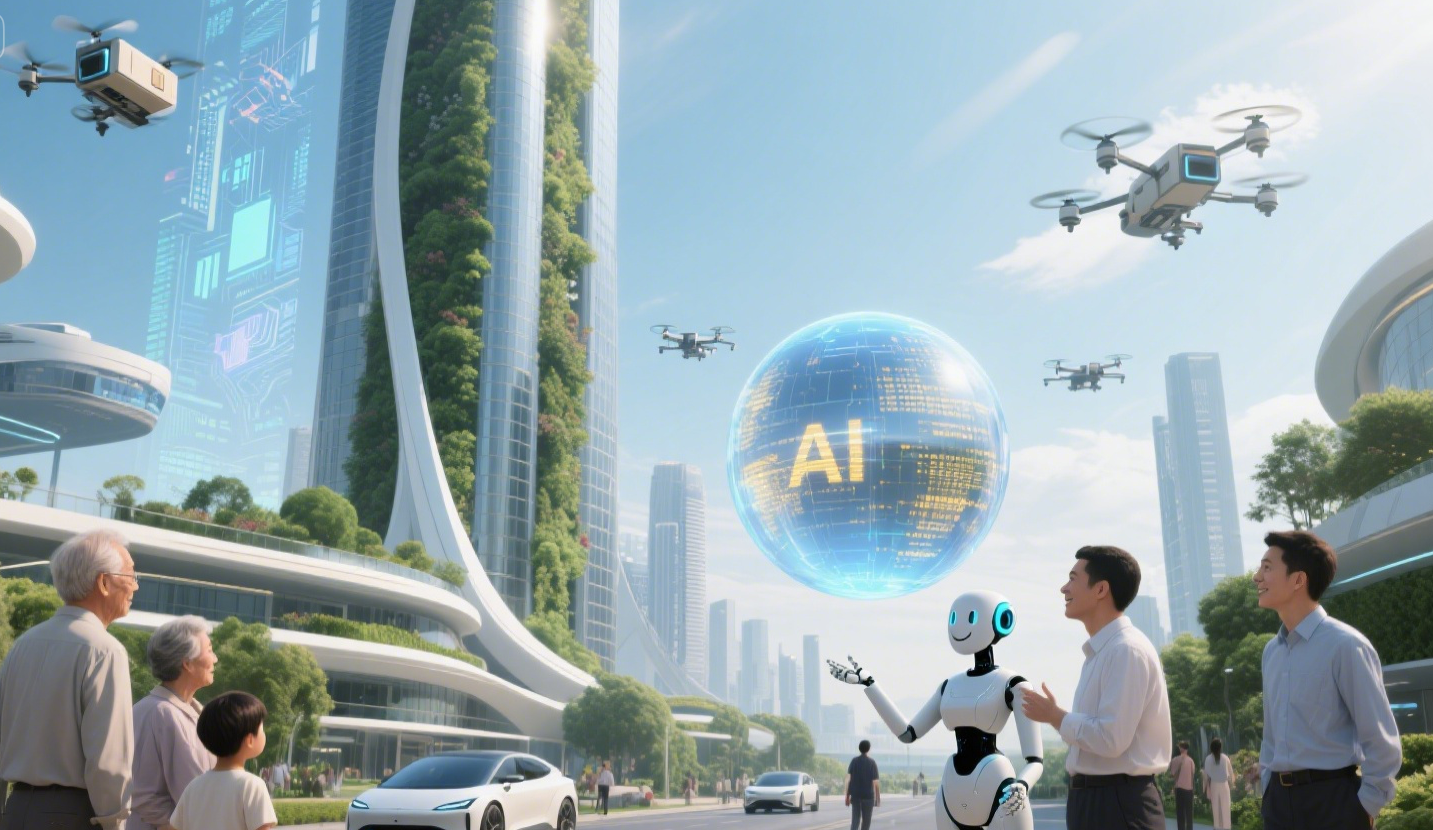
Core Technologies Behind Retail AI Solutions: Powering the Future of Retail
In today’s fast-paced retail landscape, Retail AI Solutions have emerged as a transformative force, redefining how businesses operate, engage customers, and drive growth. From personalized shopping experiences to streamlined backend operations, these solutions are no longer a luxury but a necessity for staying competitive. At the heart of every effective Retail AI Solution lies a set of core technologies that work in synergy to unlock unprecedented efficiency and innovation. Let’s dive deep into the foundational technologies that make Retail AI Solutions a game-changer for the retail industry.
1. Computer Vision & Image Recognition: The Visual Intelligence of Retail AI Solutions
Computer Vision (CV) and Image Recognition stand as the visual backbone of Retail AI Solutions, enabling retailers to “see” and interpret visual data in real time. This technology empowers a range of critical use cases: real-time product identification allows self-checkout systems to instantly recognize items as customers scan them, eliminating long queues and enhancing the shopping experience. Checkout verification tools use image recognition to cross-verify scanned products against visual data, reducing errors and preventing revenue loss. Additionally, theft detection systems leverage CV to monitor store floors, identifying suspicious behaviors or unpaid items with precision—all while minimizing false alarms. For retailers, this technology not only boosts operational efficiency but also creates a safer, more convenient environment for both customers and staff, making it an indispensable component of modern Retail AI Solutions.
2. Edge Computing: Accelerating Retail AI Solutions’ Performance
Edge Computing is a pivotal technology that addresses the latency and bandwidth challenges of cloud-based processing, making it essential for Retail AI Solutions. By processing data locally on devices—such as self-checkout kiosks, smart shelves, or in-store cameras—edge computing eliminates the need to send vast amounts of data to remote cloud servers. This results in near-instant response times, which is critical for time-sensitive retail operations like real-time inventory tracking, dynamic pricing adjustments, or personalized product recommendations. Moreover, edge computing reduces reliance on cloud infrastructure, lowering operational costs and enhancing data security by keeping sensitive information (e.g., customer payment details) on-premises. For retailers operating in high-traffic environments, edge computing ensures that Retail AI Solutions deliver consistent, reliable performance, even during peak hours.
3. Machine Learning & AI Algorithms: The Brain of Retail AI Solutions
Machine Learning (ML) and advanced AI algorithms are the driving force behind the predictive and adaptive capabilities of Retail AI Solutions. These technologies enable systems to learn from historical and real-time data, continuously optimizing retail operations without explicit programming. For example, ML algorithms analyze customer purchase history, browsing behavior, and demographic data to generate hyper-personalized product recommendations—increasing cross-selling and upselling opportunities. They also predict market trends, helping retailers optimize inventory levels to avoid stockouts or overstocking, reducing waste and maximizing profitability. Additionally, AI algorithms power demand forecasting tools, pricing optimization engines, and customer sentiment analysis, allowing retailers to make data-driven decisions that align with consumer needs and market dynamics. As the “brain” of Retail AI Solutions, ML and AI algorithms turn raw data into actionable insights, driving efficiency and revenue growth.
🔗Vision AI & Digital Human Tech for Retail:https://www.wmdigit.ai/tech-vision-ai-and-digital-human-for-retail/
4. IoT & Connected Devices: The Nervous System of Retail AI Solutions
The Internet of Things (IoT) and connected devices form the interconnected network that enables seamless data flow across Retail AI Solutions. IoT devices—such as smart scales, inventory trackers, POS systems, and customer-facing kiosks—collect real-time data from every touchpoint of the retail ecosystem. This data includes inventory levels, customer foot traffic, product interactions, and transaction details, which are then shared with other components of Retail AI Solutions (e.g., ML algorithms or edge computing devices) for analysis and action. For instance, connected smart shelves can detect when stock is low and automatically trigger restock alerts, while IoT-enabled POS systems sync transaction data with inventory management tools to update stock levels in real time. This seamless communication ensures that Retail AI Solutions operate as a unified system, providing retailers with end-to-end visibility into their operations and enabling proactive decision-making.
🔗Retail AI Solutions by Winmore Digital:
Unlock the Full Potential of Retail AI Solutions with Proven Technology Implementation
The core technologies behind Retail AI Solutions—Computer Vision & Image Recognition, Edge Computing, Machine Learning & AI Algorithms, and IoT & Connected Devices—work together to create a retail ecosystem that is efficient, customer-centric, and future-ready. However, implementing these technologies effectively requires expertise in integrating disparate systems, optimizing data flow, and aligning solutions with business goals.
For retailers looking to leverage the power of Retail AI Solutions and implement these core technologies seamlessly, Winmore Digital’s technology solutions offer a proven path to success. With deep industry knowledge and cutting-edge technical capabilities, Winmore Digital delivers tailored Retail AI Solutions that harness the full potential of these core technologies, helping retailers drive growth, enhance customer experiences, and stay ahead of the competition.
Conclusion
In conclusion, the future of retail belongs to businesses that embrace Retail AI Solutions and their underlying core technologies. By investing in these foundational tools, retailers can transform their operations, deepen customer engagement, and thrive in an increasingly digital marketplace.