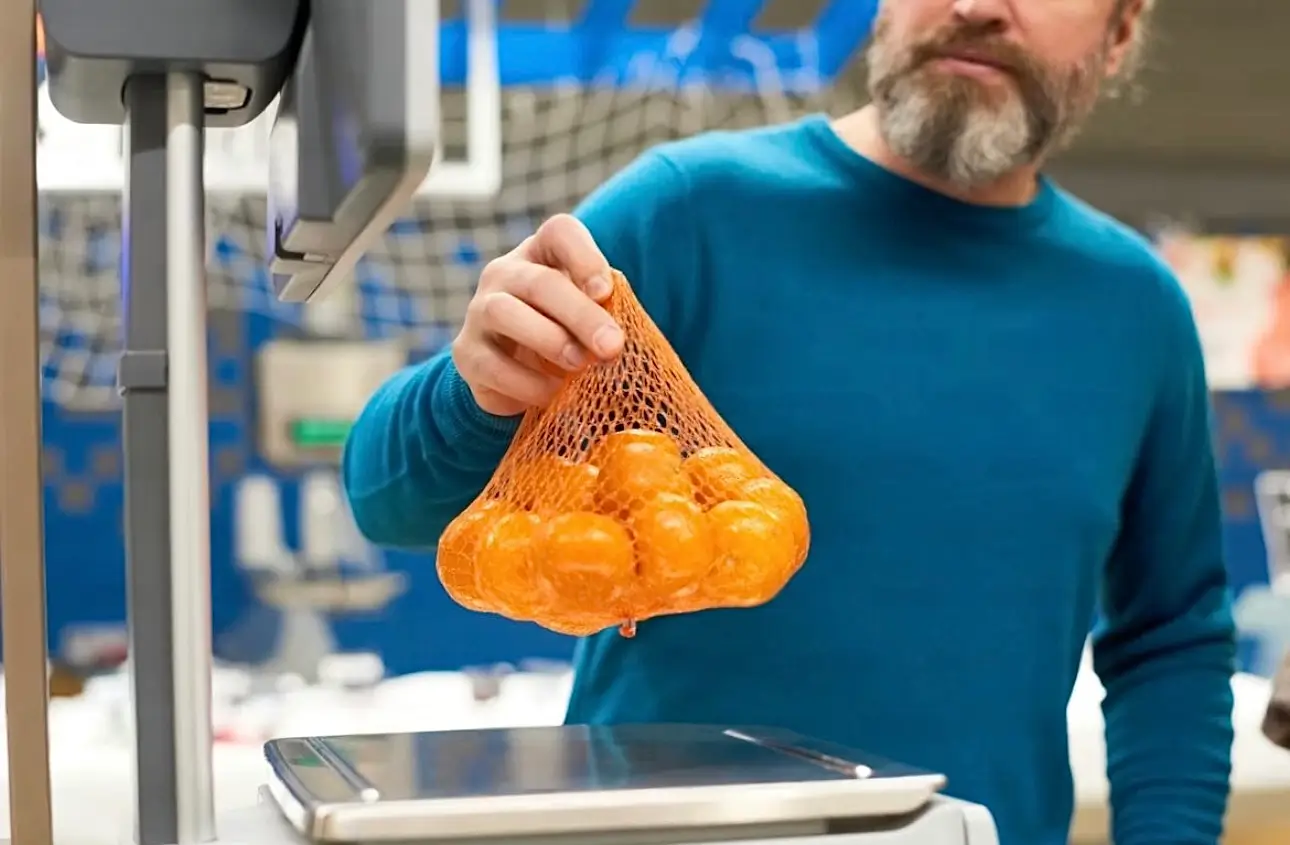
Mislabeling Is a System-Level Issue
Mislabeling is not simply caused by user behavior. It is primarily the result of system limitations.
Why Mislabeling Persists in Self-Service Environments
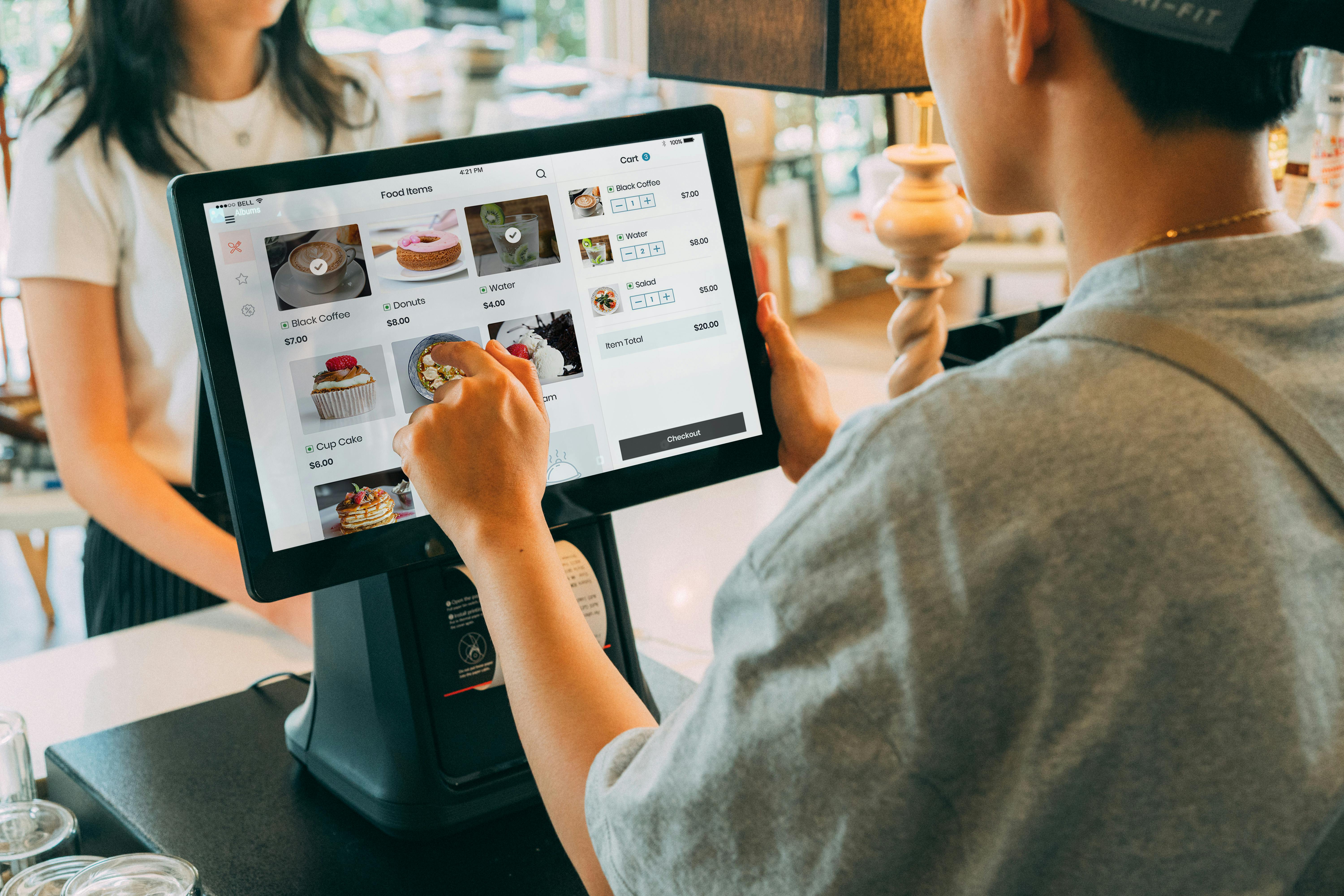
- Manual PLU selection, which increases input errors
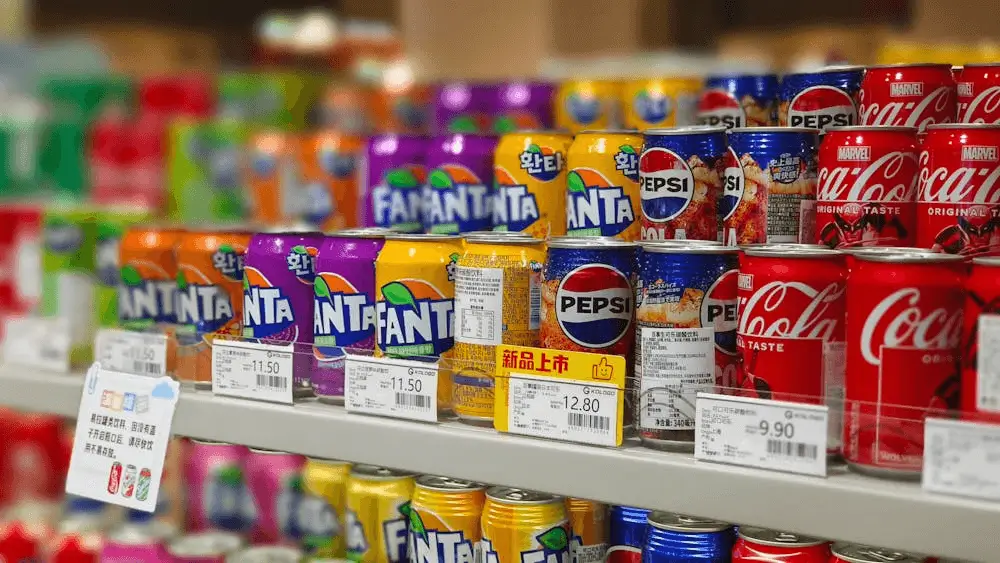
- Visually similar products, making accurate identification difficult
- Lack of real-time validation, allowing mismatches to pass undetected
- Limited staff supervision, especially during peak hours
These factors make it difficult to maintain consistent transaction accuracy across stores.
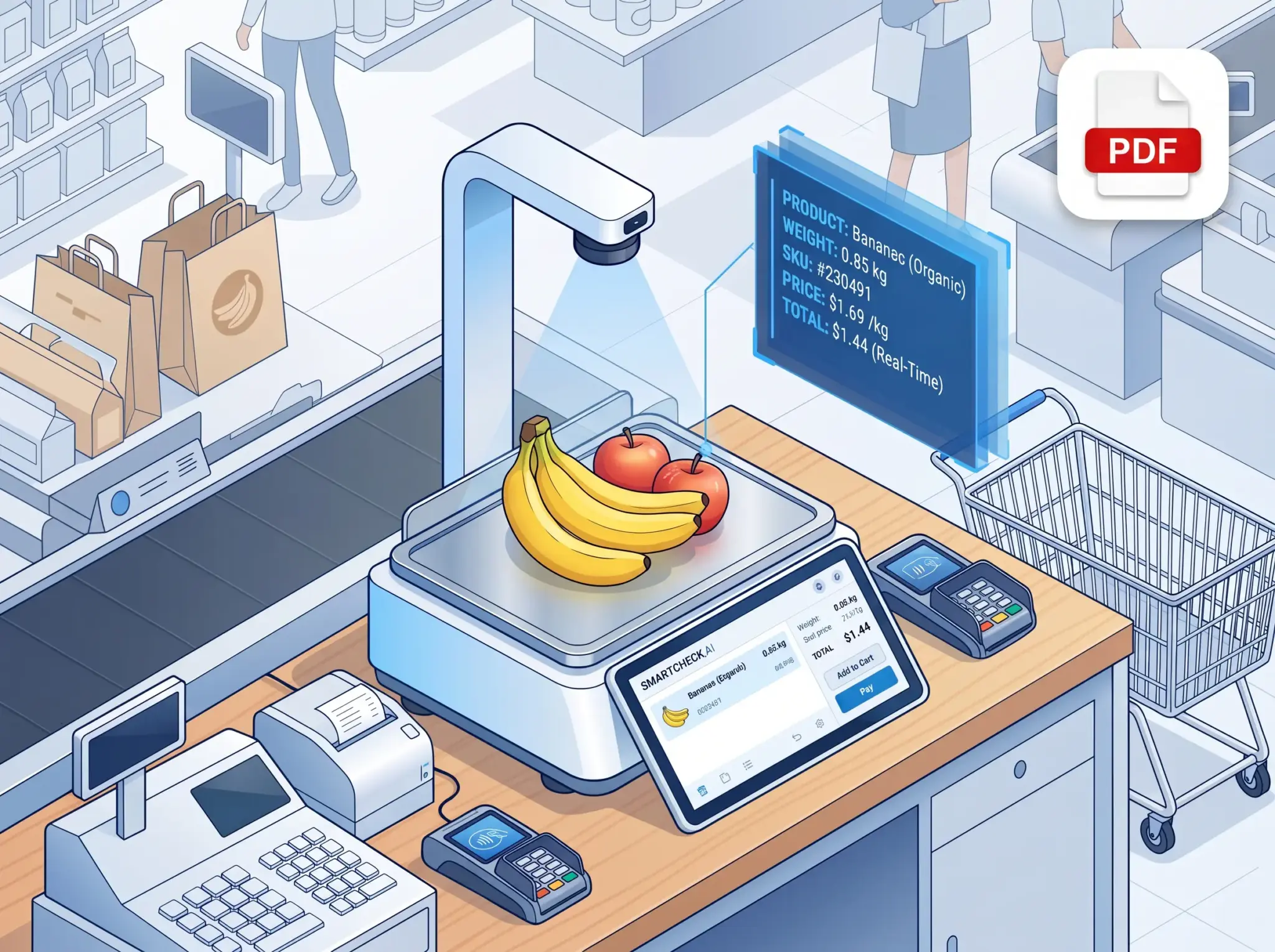
iScale:AI-powered self-checkout scale
The Limitation of Traditional Self-Service Scales
Traditional self-service scales are designed to measure weight, not verify product identity.
They can:
- Record weight
- Accept user input
- Send transaction data to POS systems
However, they cannot:
- Provide visual assistance to support product recognition during the weighing process
- Automatically verify that the physical item matches the selected PLU (this requires a separate AI loss-prevention layer)
- Fully prevent incorrect transactions
As a result, retailers rely on post-transaction correction instead of real-time control.
How AI Mislabel Detection Addresses This Gap

Using computer vision, the AI module identifies the product placed on the scale, provides visual assistance to support product recognition, and offers feedback before the transaction is completed.
This enables consistent product verification across transactions, reducing reliance on manual accuracy.
To better understand how AI improves accuracy and prevents checkout errors, explore our solution:
AI Self-Checkout Loss Prevention Solution
How iDetector Improves Accuracy at the Point of Interaction
iDetector, developed by Winmore Digital, is an AI-powered solution designed to assist in product recognition during the weighing process, improving accuracy and reducing manual errors in self-service environments.
- Real-time product verification — ensures alignment between the physical item and selected product
- Improved input accuracy — reduces errors in manual PLU selection
- Reduced reliance on staff intervention — improves operational efficiency
- Compatibility with existing infrastructure — enables deployment without replacing current hardware
By addressing errors at the interaction stage, iDetector supports a shift from reactive correction to proactive control.
Who Should Consider AI Mislabel Detection
This solution is particularly relevant for:
- Supermarket chains — high transaction volumes increase cumulative error impact
- Fresh produce retailers — unpackaged goods require accurate identification
- Retail solution integrators — enhance existing systems with AI-based verification
Business Impact: Improving Accuracy at Scale
Mislabeling may appear minor at the transaction level, but its impact becomes significant at scale.
- Accumulated margin loss
- Inventory discrepancies
- Increased operational workload
By improving accuracy at the point of interaction, AI mislabel detection helps maintain consistent operational performance across locations.
Ready to Improve Accuracy in Your Self-Service Operations?
Mislabeling is not just a minor error — it can accumulate into significant operational loss over time.
With AI-powered solutions like iDetector from Winmore Digital, retailers and integrators can enhance accuracy without replacing existing hardware.
Contact Winmore Digital to explore how iDetector can be integrated into your current system and start improving transaction reliability today.