table of contents
10 Ways Store Intelligence, Cuts Shrink & Boosts Ops
Retail shrink was 1.6% of sales in FY 2022, totaling $112.1B in losses, according to the National Retail Federation (NRF). For small-format retailers such as convenience stores and grocery chains, even small inefficiencies can significantly impact profitability.
Store Intelligence is no longer just about visibility — it’s about turning real-time insights into operational execution across the store. As labor costs rise and shrinkage continues to pressure margins, retailers are shifting from reactive loss detection to proactive, AI-driven store operations.
To address these challenges, retailers are increasingly turning to store intelligence systems that combine AI, real-time data, and in-store automation.
Below are 10 practical ways these technologies can help reduce shrink, improve operational efficiency, and drive better performance across retail environments.
A. Checkout & Loss Prevention
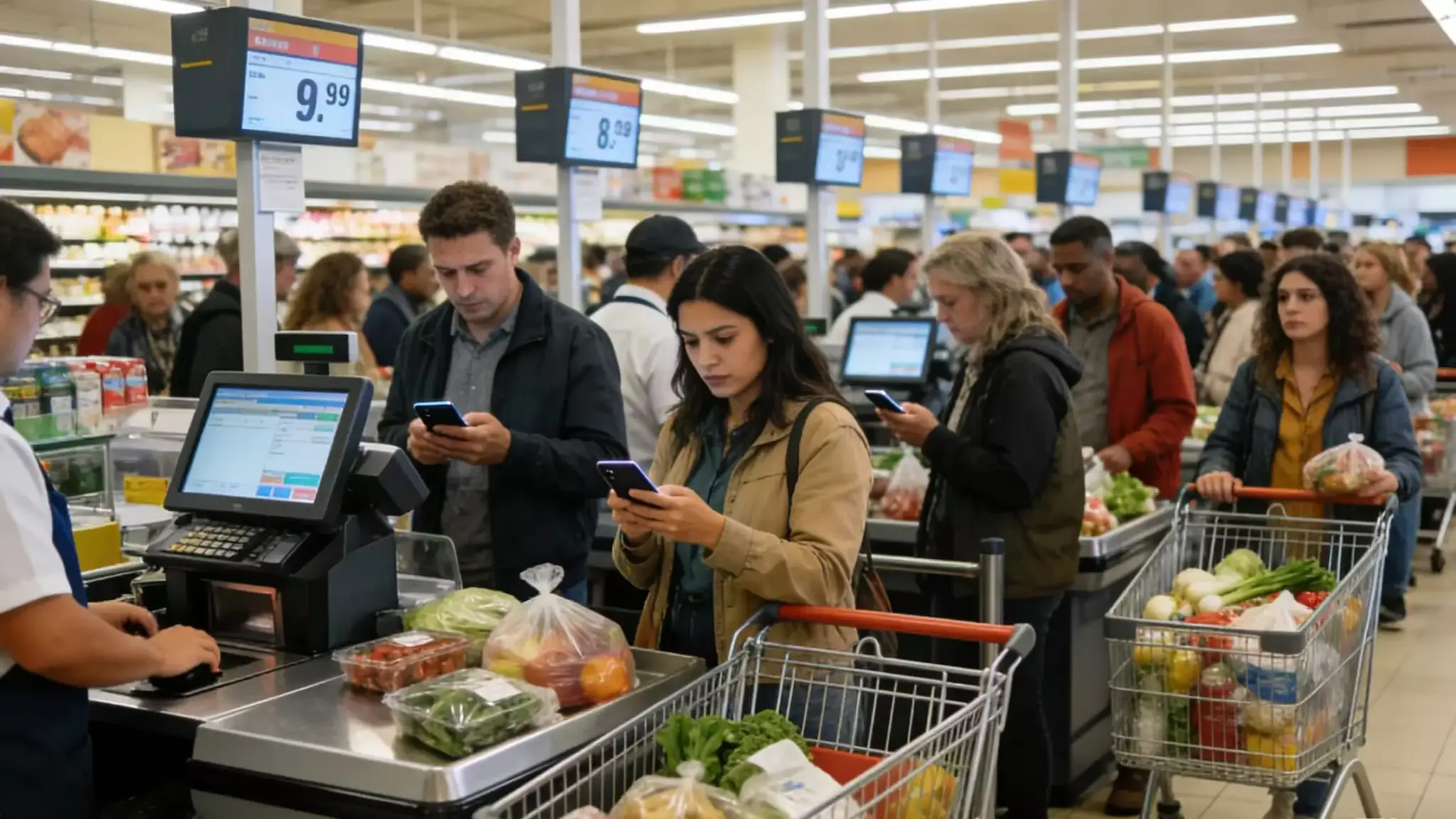
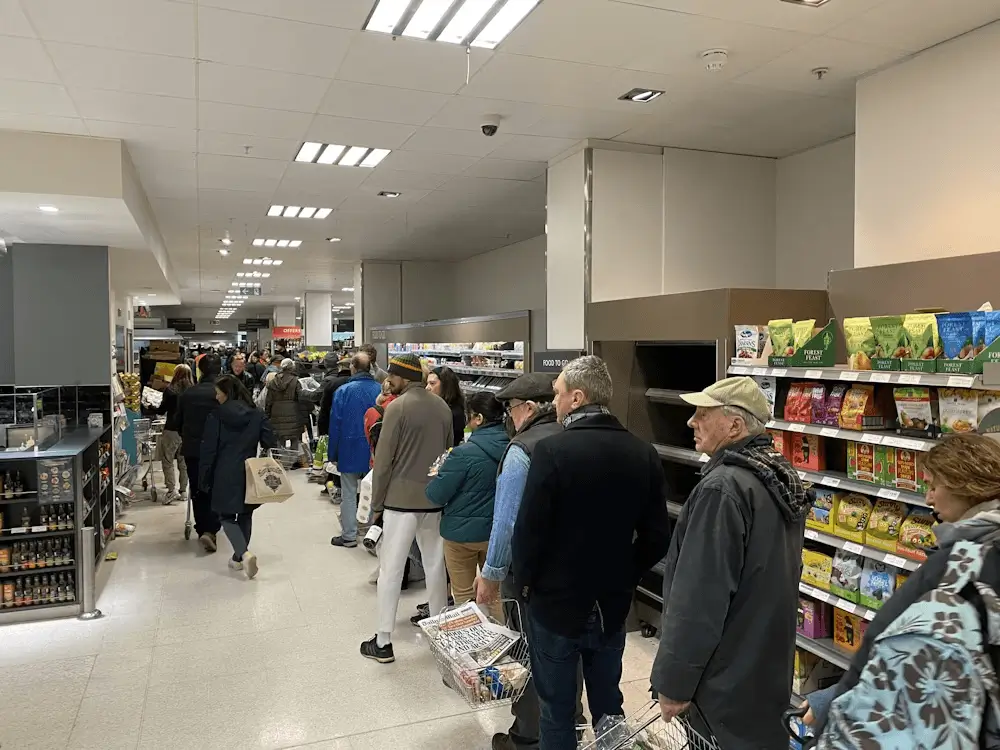
1. Queue Bottlenecks at Checkout
Challenge: Long queues during peak hours cause customer dissatisfaction and lead to lost sales. Retailers often struggle with staffing during rush hours, causing delays and lost opportunities.
Solution: Deploy real-time queue management platforms that combine computer vision, POS transaction data, and edge analytics to monitor queue length, wait times, and checkout throughput. These systems can dynamically allocate resources, open new checkout lanes, or reassign staff based on real-time traffic data.
Technology Used:
- Computer Vision for analyzing queues and customer behavior.
- Edge Analytics for real-time decisions.
Impact: By dynamically adjusting staffing and lanes, the system reduces wait times and improves conversion rates, leading to better customer satisfaction and higher sales. Retailers can handle peak traffic efficiently without overstaffing during off-peak hours.
2. Fresh Produce Weighing Accuracy in Supermarkets
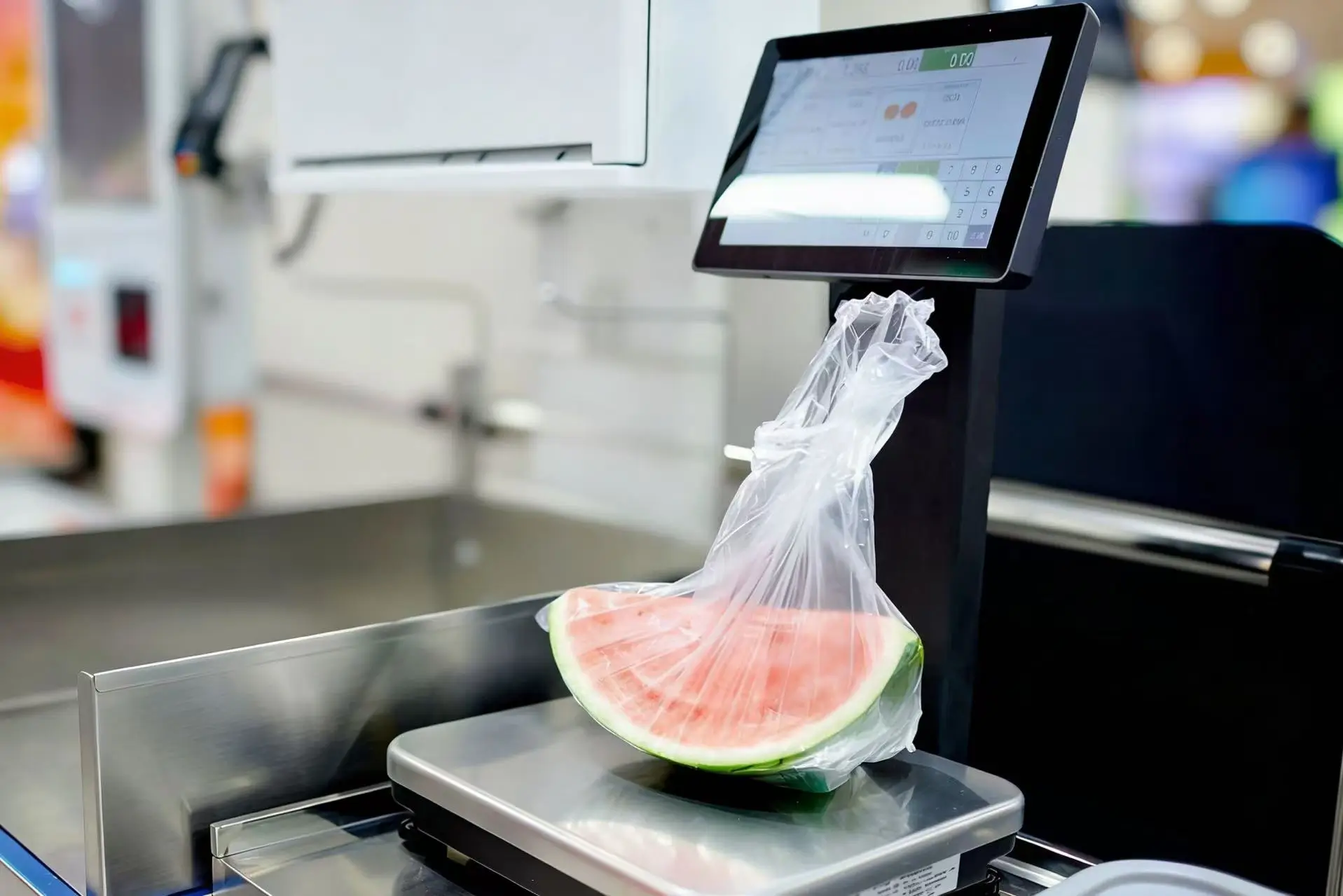
Challenge: Manual PLU (Price Look-Up) code searches and misidentification of products lead to checkout delays and pricing errors, especially in high-SKU environments like supermarkets with large fresh produce sections.
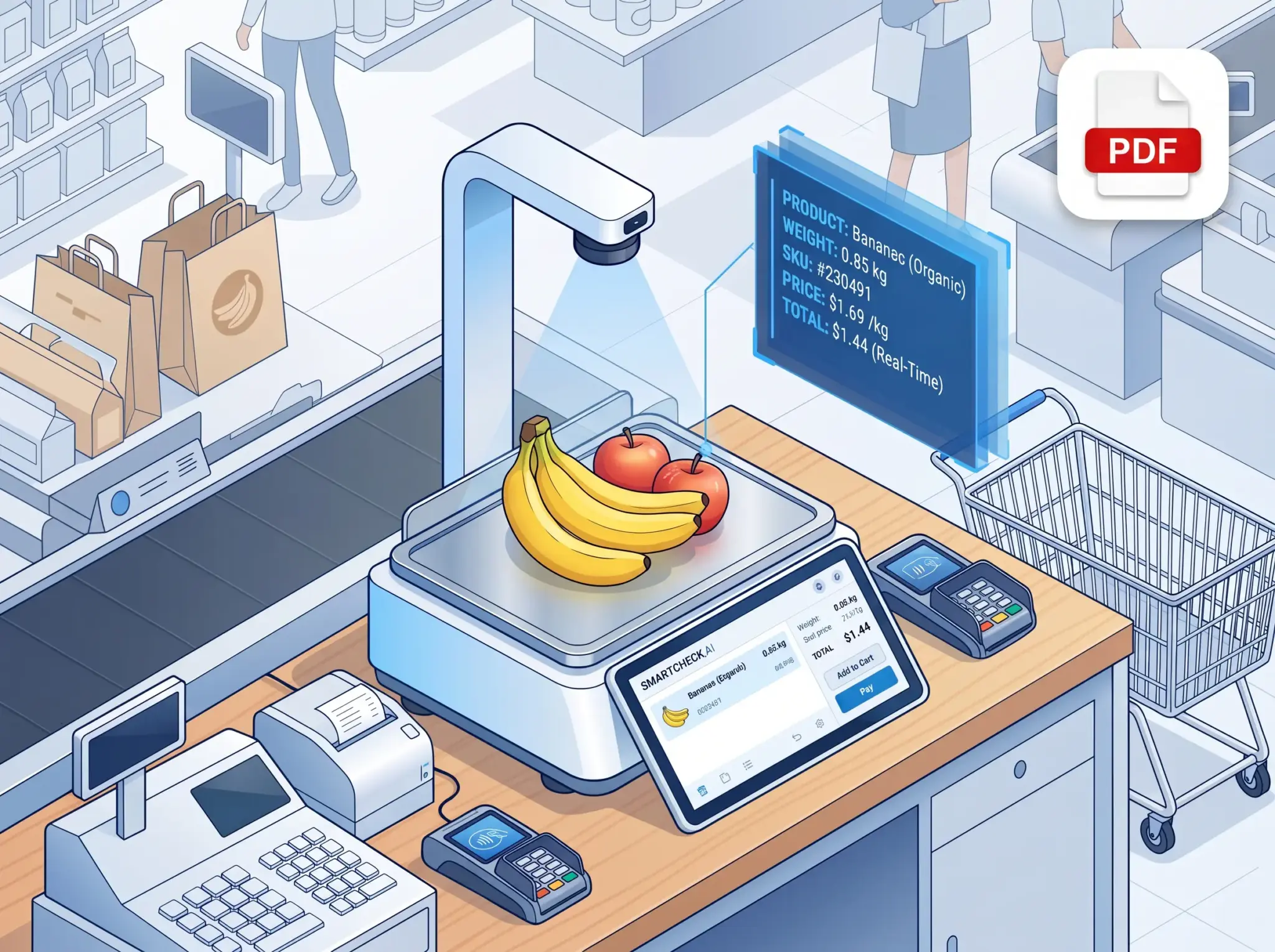
Solution: Use AI-powered recognition-weighing systems to automatically identify produce items in real time, removing the need for manual input. These systems employ computer vision to analyze shape, color, and texture, and match them to a database of known produce.
Technology Used:
- AI Recognition for real-time identification.
- Computer Vision for matching produce to PLU codes.
Impact: The system improves recognition accuracy (up to 99%), reduces human error, and accelerates the checkout process, increasing efficiency, especially in supermarkets with large product varieties.
For example, Winmore Digital iScale integrates AI and precision weighing, offering quick recognition of fresh items, which optimizes checkout efficiency.
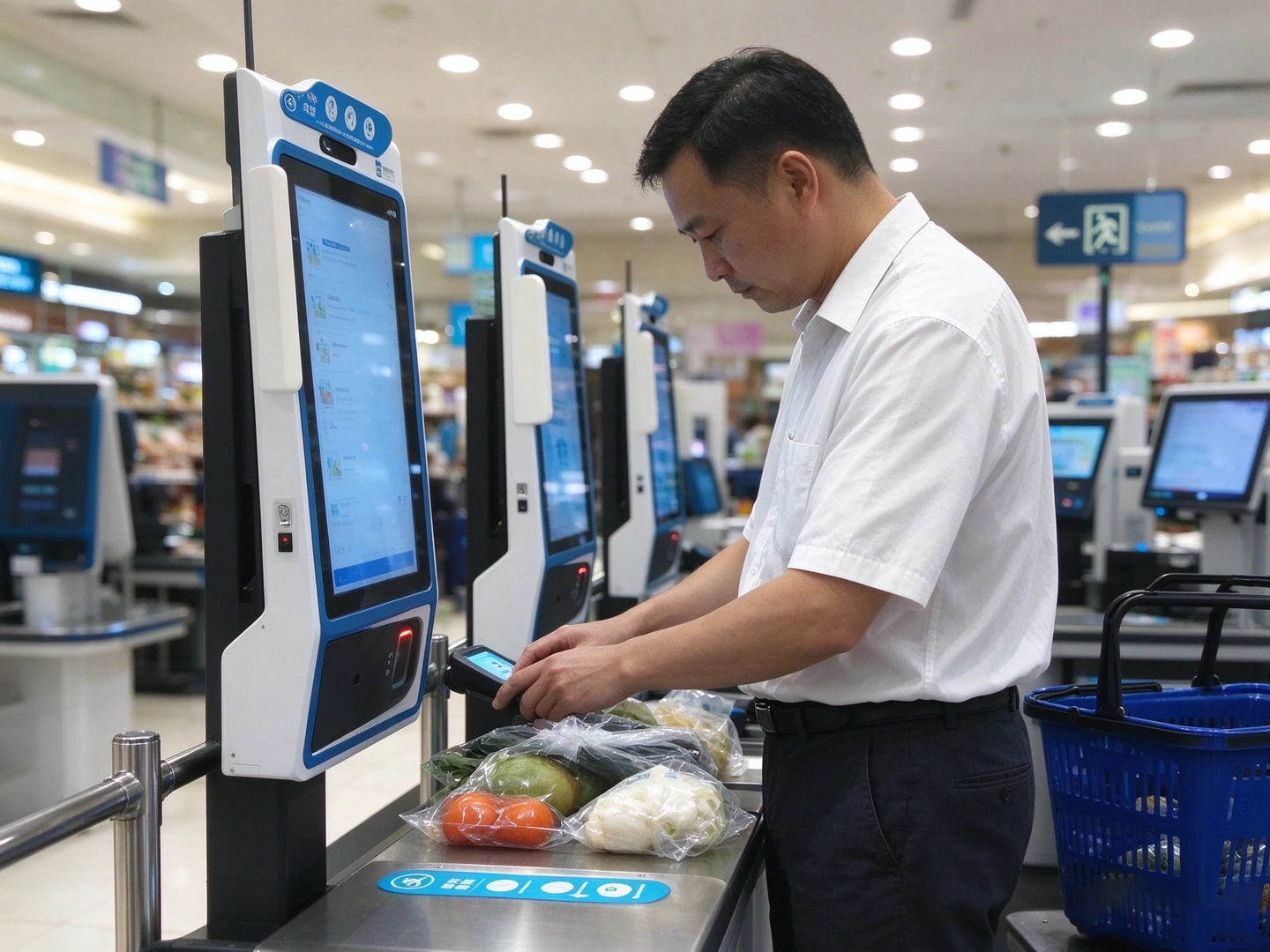
3. Self-Checkout Shrink & Missed Scans
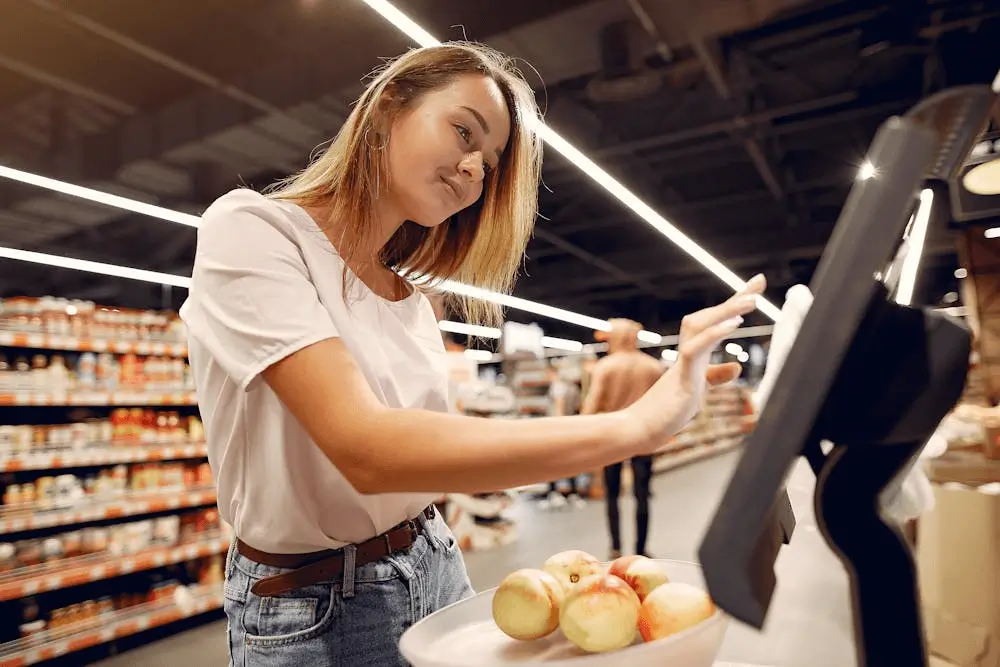
Challenge: Shrinkage at self-checkout stations is caused by missed scans, incorrect scans, or intentional theft, which can significantly increase losses in retail environments.
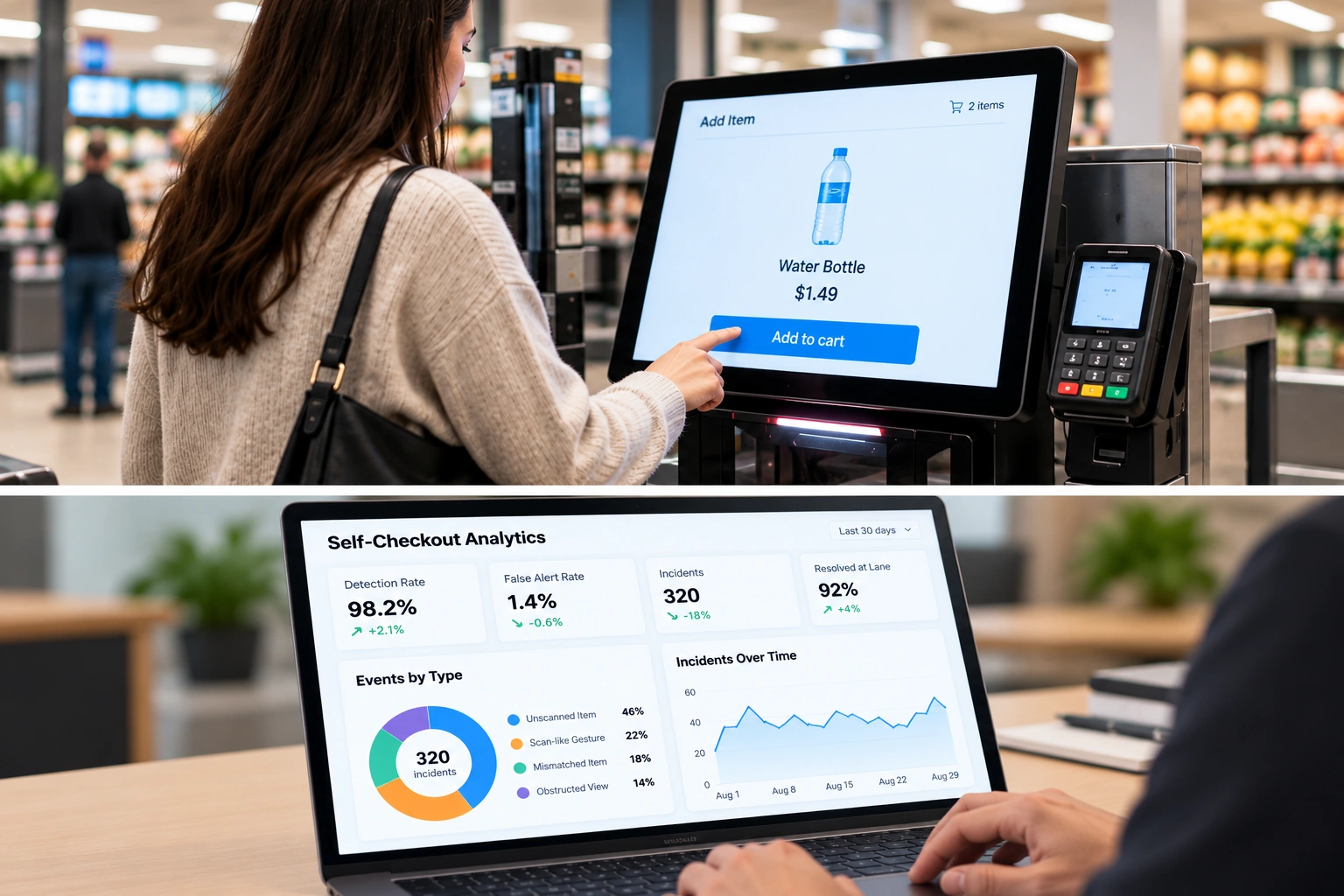
Solution: Implement Winmore Digital iDetector, an AI-based loss prevention system that compares item movement with scan data in real time. These systems monitor the flow of goods and alert operators to discrepancies between scanned items and what’s placed in the basket.
Technology Used:
- AI-powered vision systems for monitoring items.
- Behavioral analytics to identify non-scan events.
Impact: The system automatically flags discrepancies in scanning behavior, reducing shrinkage by improving self-checkout accuracy. It reduces manual intervention while improving the accuracy of self-service checkouts, ensuring a smoother and more secure process.
4. Fast Checkout in Foodservice & Canteens
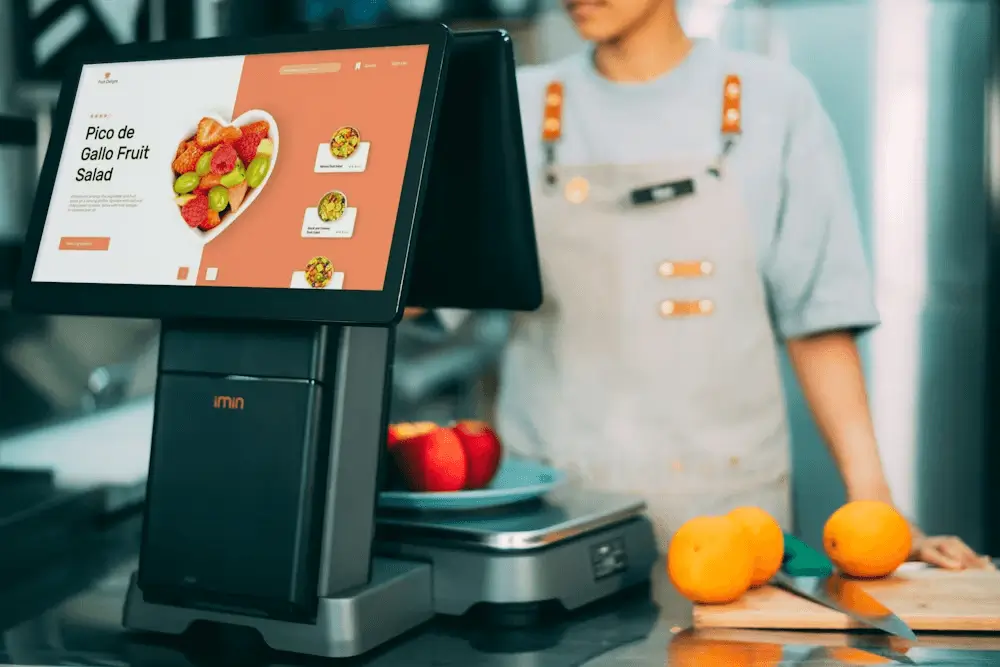
Challenge: Manual billing in foodservice environments, such as school canteens or corporate cafeterias, is often slow and labor-intensive, leading to inefficiencies and delays during peak hours.
Solution: Use Winmore Digital iCanteen, an AI-powered food recognition system to automatically identify dishes and meals on trays and handle the billing process without human intervention. These systems can recognize a variety of dishes from different angles and calculate the total cost in real time.
Technology Used:
- Deep learning for recognizing complex food items.
- AI-powered vision systems for meal identification.
Impact: The system speeds up the checkout process by eliminating manual billing. It improves efficiency during peak times, reduces labor costs, and enhances customer experience in high-traffic foodservice environments.
B. Shelf & Inventory Intelligence
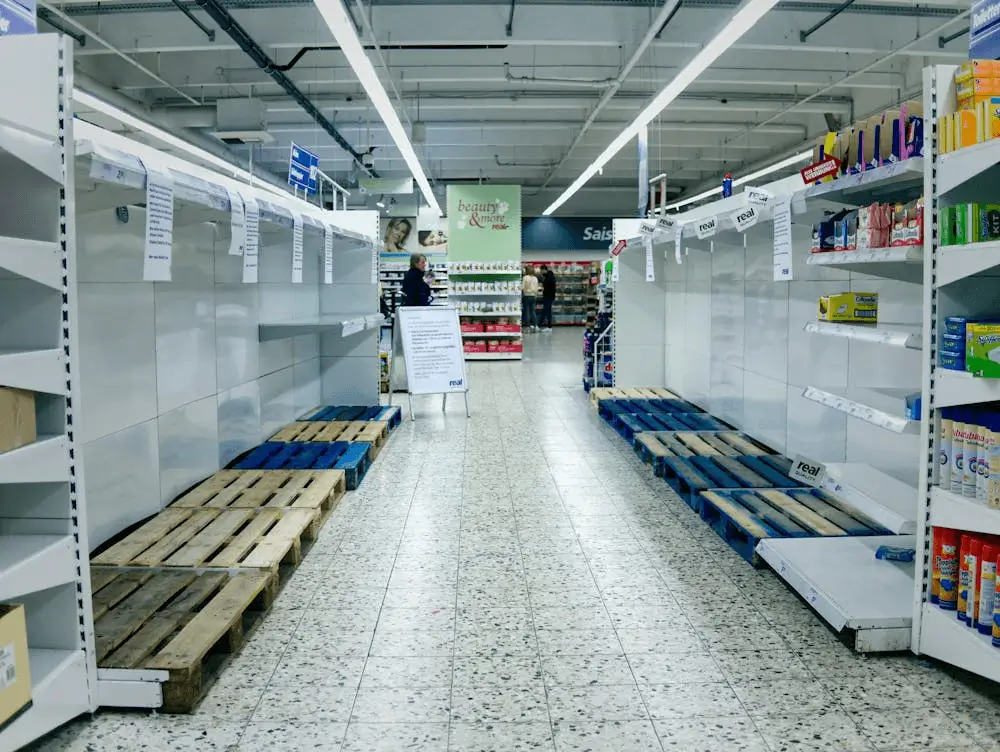
5. Out-of-Stock Detection in High-Velocity Aisles
Challenge: Fast-selling items often go out of stock before staff notice, leading to missed sales opportunities and customer dissatisfaction.
Solution: Use AI-powered shelf monitoring platforms that combine computer vision with POS velocity data to detect low-stock conditions and trigger automated replenishment alerts. These platforms can continuously monitor inventory and alert store managers when items need restocking.
Technology Used:
- AI Shelf Monitoring for real-time stock detection.
- Computer Vision for recognizing product quantities on shelves.
Impact: This solution improves stock availability, reducing lost sales from out-of-stock items and improving customer satisfaction by ensuring popular products are always available when customers need them.
6. Price & Label Mismatch at Shelf Edge
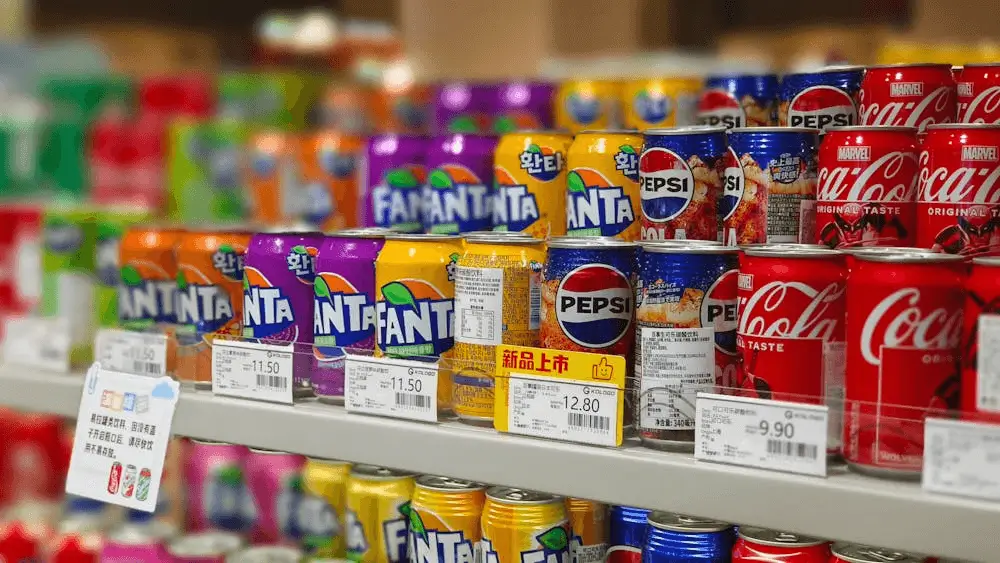
Challenge: Price mismatches between shelf labels and POS data cause confusion, disputes, and delays at checkout.
Solution: Implement price auditing systems that use image recognition to scan shelf labels and compare them with POS pricing data. Discrepancies are flagged for correction in real-time, ensuring that the prices match across all channels.
Technology Used:
- Image recognition for shelf label scanning.
- Data synchronization for real-time price matching.
Impact: This system ensures pricing consistency between shelf labels and POS systems, reducing customer frustration and improving operational efficiency during checkout.
7. Planogram Compliance Drift
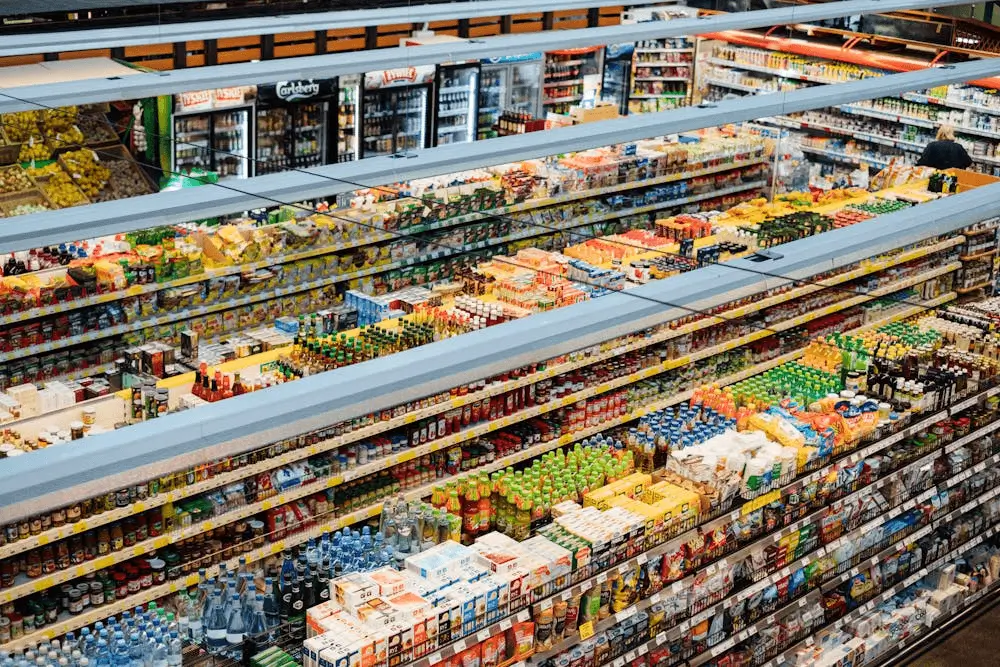
Challenge: Shelves not following merchandising plans reduce promotional effectiveness, leading to lower sales and inefficient product placement.
Solution: Deploy planogram compliance platforms that use image recognition to compare in-store displays with merchandising guidelines. When discrepancies are detected, the system generates alerts or action items to restore planogram compliance.
Technology Used:
- Image recognition for comparing displays with planograms.
- AI analytics for identifying deviations.
Impact: Improved promotional ROI, more consistent in-store merchandising, and higher sales by ensuring planogram compliance is met across all store locations.
8. Waste Control in Fresh Departments
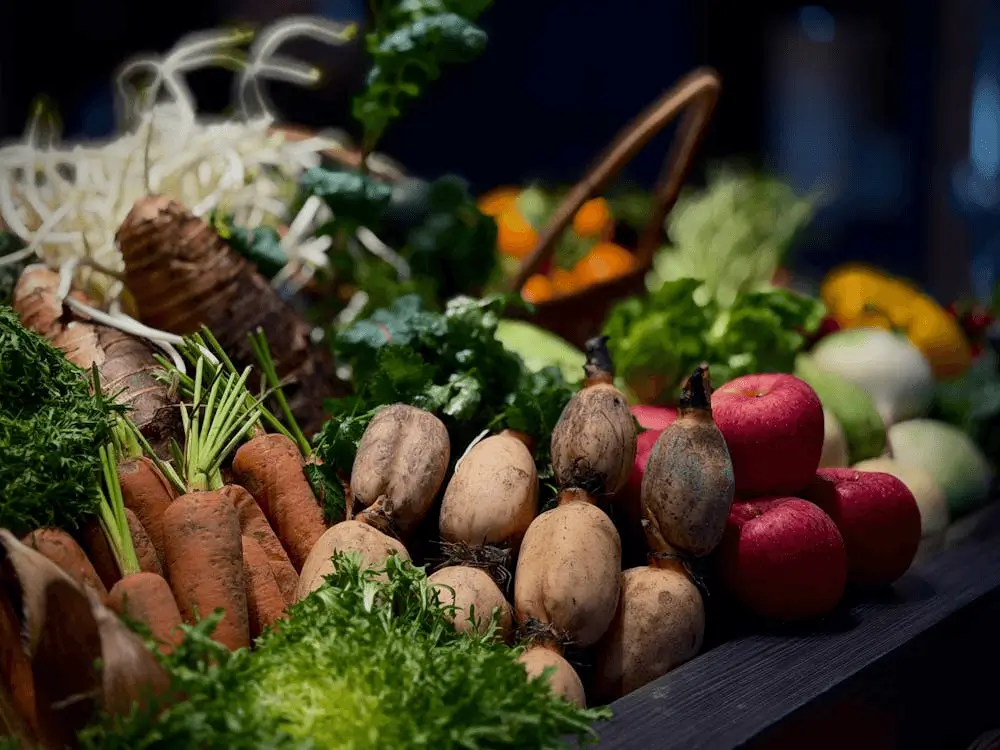
Challenge: High spoilage rates in fresh departments such as fruits, vegetables, and meats reduce profit margins, especially when stock levels are not effectively managed.
Solution: Use AI-driven inventory systems that combine real-time inventory monitoring, sell-through rates, and expiry data to automate markdown decisions and reduce waste. The system uses visual recognition to track products and their expiration status, adjusting pricing dynamically to avoid overstock and spoilage.
Technology Used:
- Real-time inventory monitoring.
- AI-powered decision-making for markdown automation.
Impact: Reduced waste in perishable goods, improved profitability, and enhanced inventory turnover. This system helps manage fresh food stock more efficiently, reducing losses and increasing margins.
C. Store Operations & Experience
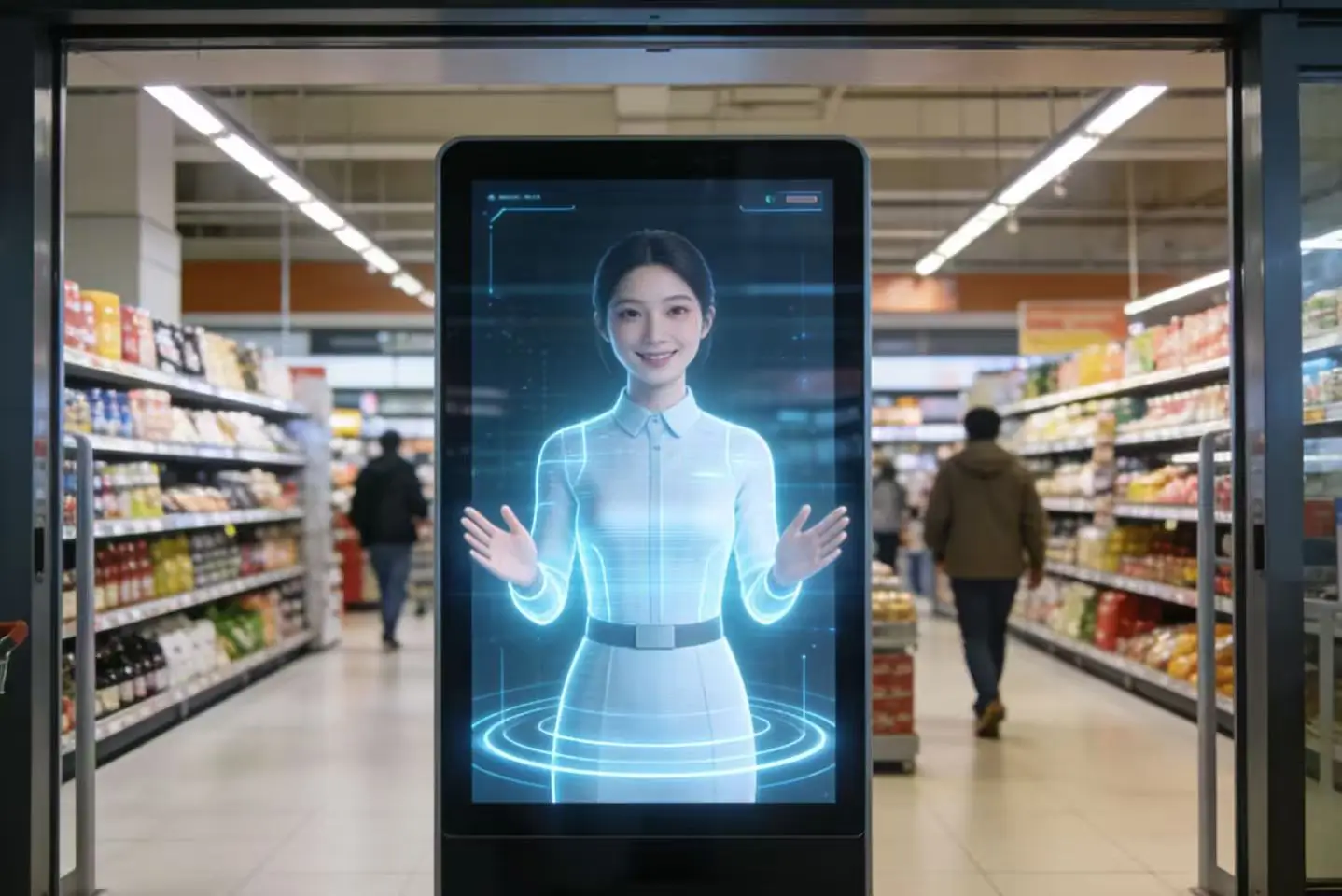
9. In-Store Customer Guidance & Service Efficiency
Challenge: Staff shortages often lead to poor customer service, especially in large stores where finding assistance can be challenging.
Solution: Deploy AI-powered digital assistant systems like WinMore Digital iHuman to guide customers through product searches, promotions, and store navigation. These assistants can interact via voice and visual prompts, offering real-time support without requiring additional staff.
Technology Used:
- Natural Language Processing (NLP) for voice interaction.
- Computer vision for store navigation and product identification.
Impact: Improved customer experience and reduced reliance on human staff, leading to enhanced service during peak hours and higher customer satisfaction.
10. Labor Allocation for Peak Hours
Challenge: Poor labor allocation during peak hours leads to inefficiencies and service delays.
Solution: Implement AI-driven workforce forecasting systems that analyze foot traffic patterns, transaction volume, and historical peak-hour trends to recommend optimal staffing levels for different times of the day.
Technology Used:
- Predictive analytics for workforce management.
- AI forecasting for accurate staffing predictions.
Impact: Optimized staffing during peak hours, ensuring better customer service and reducing labor costs. This system maximizes labor efficiency and ensures the right staff are available when needed.
Start Reducing Shrink With Smarter Store Intelligence
Reducing retail shrink isn’t just about visibility — it’s about acting on real-time insights where it matters most. Retailers that successfully integrate AI-driven store intelligence are not only reducing losses but also improving efficiency, labor productivity, and customer experience at scale.
👉 Explore how Winmore Digital can support your retail operations