
table of contents
Why Loss Happens at Self Checkout — and How Retailers Can Stop It
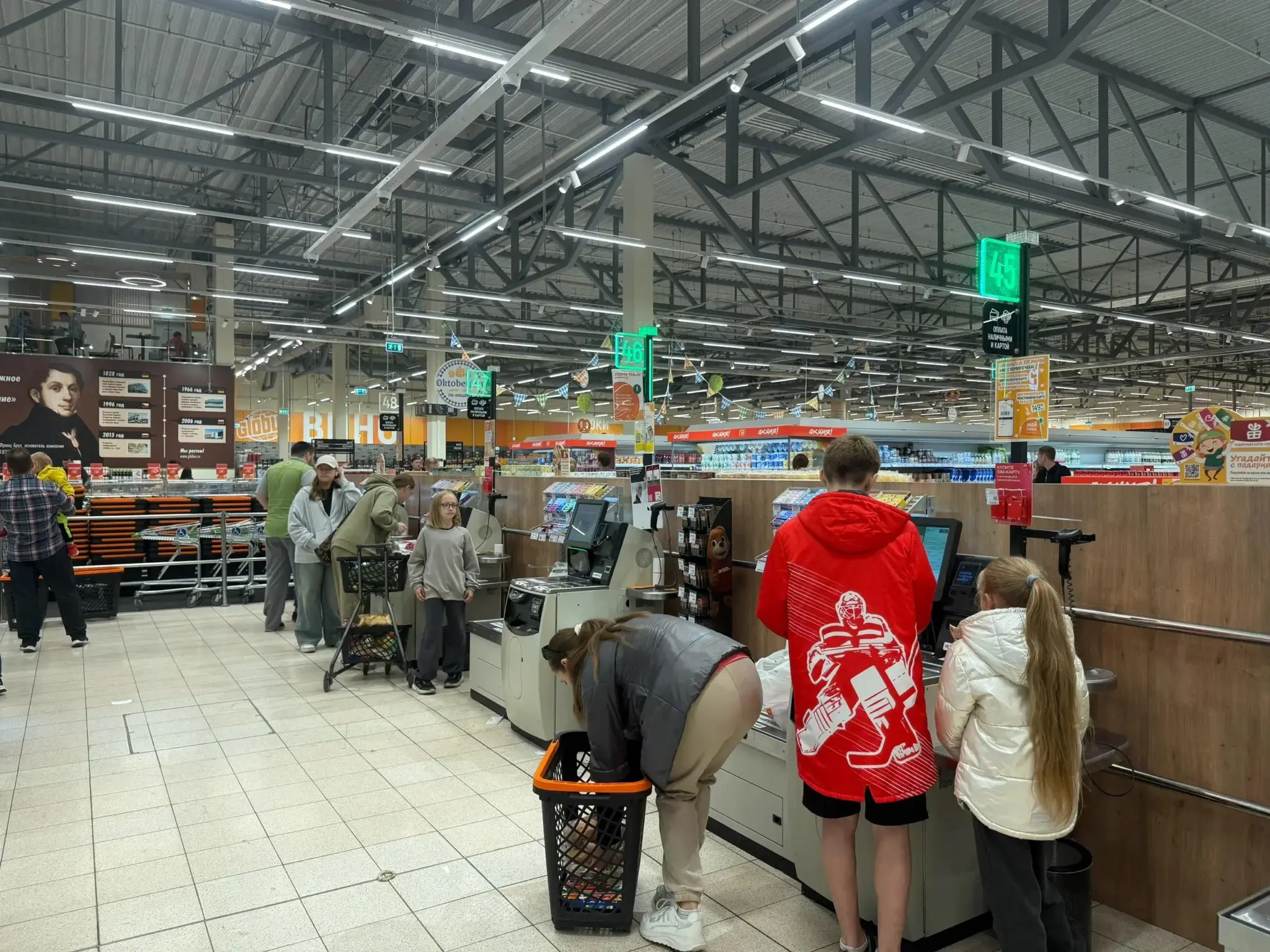
Self-checkout doesn’t just increase convenience — it fundamentally changes how loss happens.
When customers become the cashier, shrink shifts from “hidden theft” to a new reality: checkout behavior changes faster than traditional controls can validate. The result is predictable—more exceptions, more edge cases, and more loss that occurs during the transaction, not after.How do we implement Self-Checkout Loss Prevention?
TL;DR
Self-checkout loss typically happens for one core reason:
Loss = uncontrolled behavior + no real-time validation
Retailers reduce self checkout loss prevention risk most effectively when they can:
Detect risky checkout behaviors
Verify product identity (product vs barcode)
Intervene in real time—before payment completes
post tags :
AI Loss Prevention AI Retail Scale Retail Security Top 10 AI Solutions Digital Human ai food recognition Intel-partnership AI Virtual Assistant edge AI food recognition iDetector kiosk integration Future of Chinese Supermarkets cafeteria checkout RFID comparison produce recognition AI weighing recognition testing tray recognition POS integration cafeteria self-checkout computer vision food checkout Intel OpenVINO iScale iCanteen
your ideal retail AI solutions provider